The Vital Importance of Breathing
With their first breath after birth, a baby signals their arrival in this world, and a person’s last breath marks their departure from it. This highlights the vital importance of breathing.
In everyday life, breathing is often taken for granted and not consciously observed. As a result, many people breathe incorrectly, are completely unaware of it, and thus fail to supply their bodies with sufficient oxygen on a constant basis.
For example, many people do not expand their chest whilst working at a computer, meaning that the lungs cannot expand fully. As a result, shallow breathing becomes the norm.
The body is not supplied with enough oxygen with every breath, the blood cannot adequately nourish the organs, the fasciae become stuck together, and the organs cannot reach their full potential.
Other Cultures and Breathing
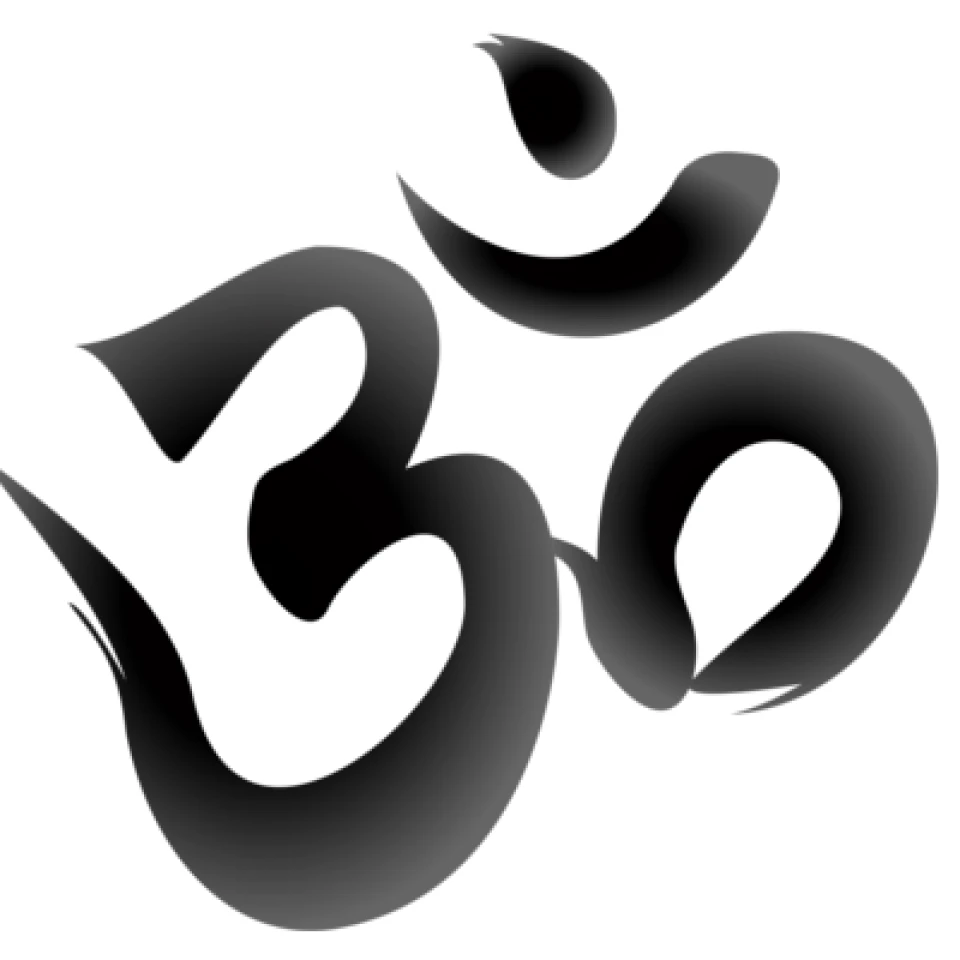
However, if one looks more closely, one realises that even in very early cultures, breath was equated with life. For example, the ‘sacred’ Sanskrit syllable OM has been and continues to be regarded as a primordial symbol and as the link between humankind and cosmic creation.
The OM symbol represents the cosmic breath, from whose vibrations the universe was once created. When practised in a specific breathing sequence, in which the syllable is vocalised as AUM, it leads to inner peace and serenity.
Breathing for health preservation
In Asian schools of yoga, whether of Buddhist or Taoist origin, breathing techniques have long been combined with physical exercises. It was recognised that combining physical exercises with conscious breathing yields greater benefits for maintaining good health.
Since then, many therapeutic and health-oriented schools, even in the Western world, have taken up and expanded upon this insight. Indeed, it can be assumed that certain breathing techniques even lead to an expansion of consciousness.
Breathing in the Universal Healing Tao®® System
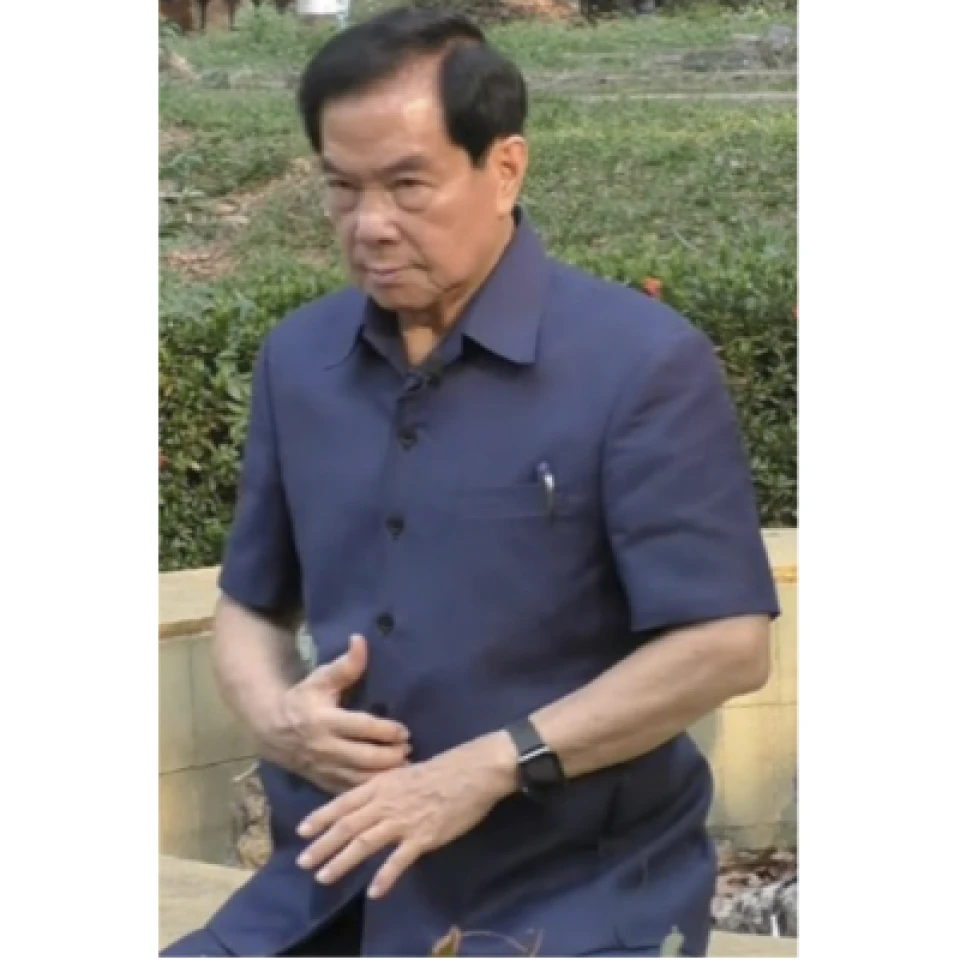
From the very beginning, Grandmaster Mantak Chia has drawn attention to the importance of breathing. Deep, calm, relaxing breathing into the navel centre marks the beginning of conscious awareness of the body’s internal processes. Placing the hands on the navel aids this process.
The more clearly one feels the positive effects, the more willing one is to learn slightly more complex breathing techniques.
The next step involves coordinating the breathing rhythm with bending and stretching movements. Over time, you will learn 10 key breathing techniques in connection with the five branches and levels of the Universal Healing Tao®®.
Conscious Breathing
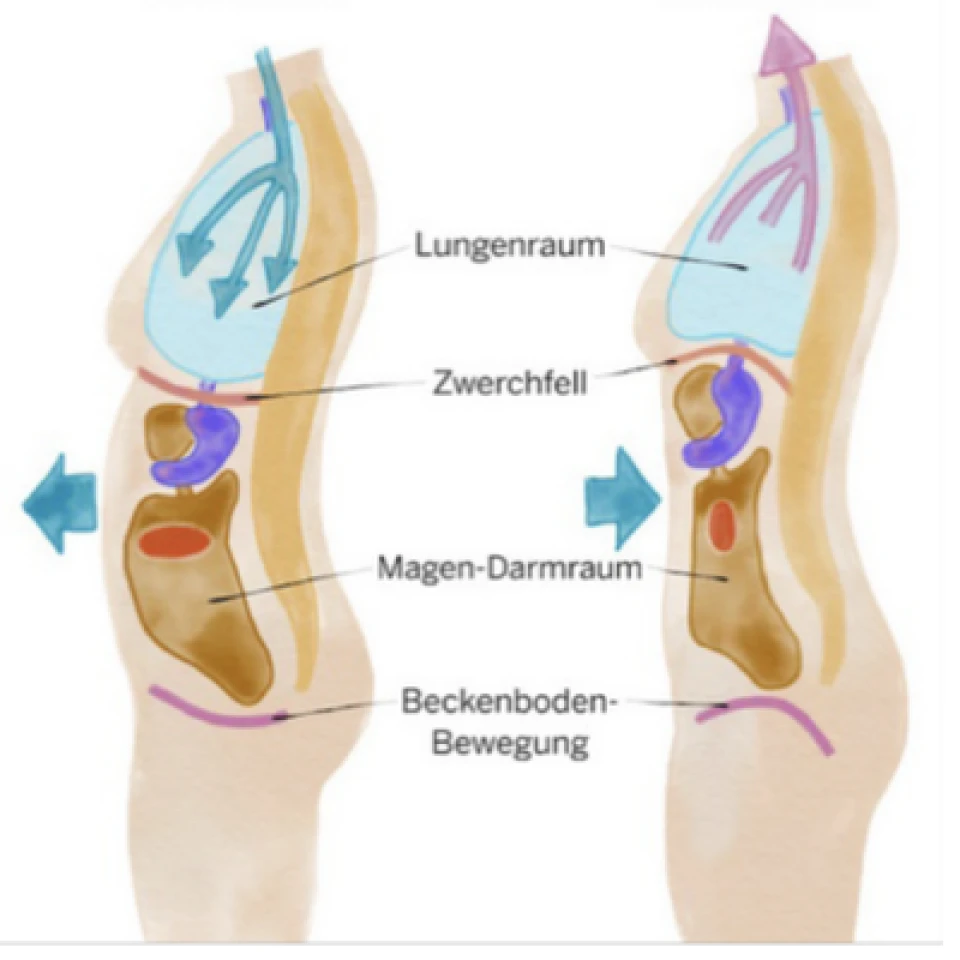
First, you should practise conscious breathing; the best way to do this is to sit quietly and observe your own breathing rhythm. The aim is to breathe in and out at a steady, equal pace. Relaxed breathing occurs when you breathe deeply into your abdomen whilst observing the rising and falling of your chest.
Next, with reverse breathing, you learn to draw your abdomen in as you inhale and to lift your abdominal wall as you exhale
A further step is bellows breathing, which involves rapid breaths accompanied by rapid abdominal movement.
As with the breathing techniques mentioned so far, the textbook then describes in detail swallowing breathing, bone breathing, ovarian and testicular breathing, breathing to stimulate digestion, and embryonic breathing.
Daily Life and Breathing
Whether in the initial exercises or right up to the highest levels of meditation, the art of breathing is an important companion on the journey towards oneself and into connection with the environment and the universe.
You can calm the body’s systems with calm, deep abdominal breathing, and activate the body through short, forceful, rapid breathing.
Discover for yourself how you can stimulate or calm your entire circulatory system with the appropriate breathing techniques, how you can stay more centred and avoid becoming so easily caught up in other people’s emotions – thereby reducing your stress levels. Work processes, too, become more focused and less stressful. Ultimately, breathing correctly brings you greater relaxation, balance and a healthy night’s sleep.
You can find the book ‘The Art of Breathing’ here.